SYMBIOTIC HORSEMANSHIP + SYMBIOTIC WELLNESS = SYMBIOTIC WHOLENESS
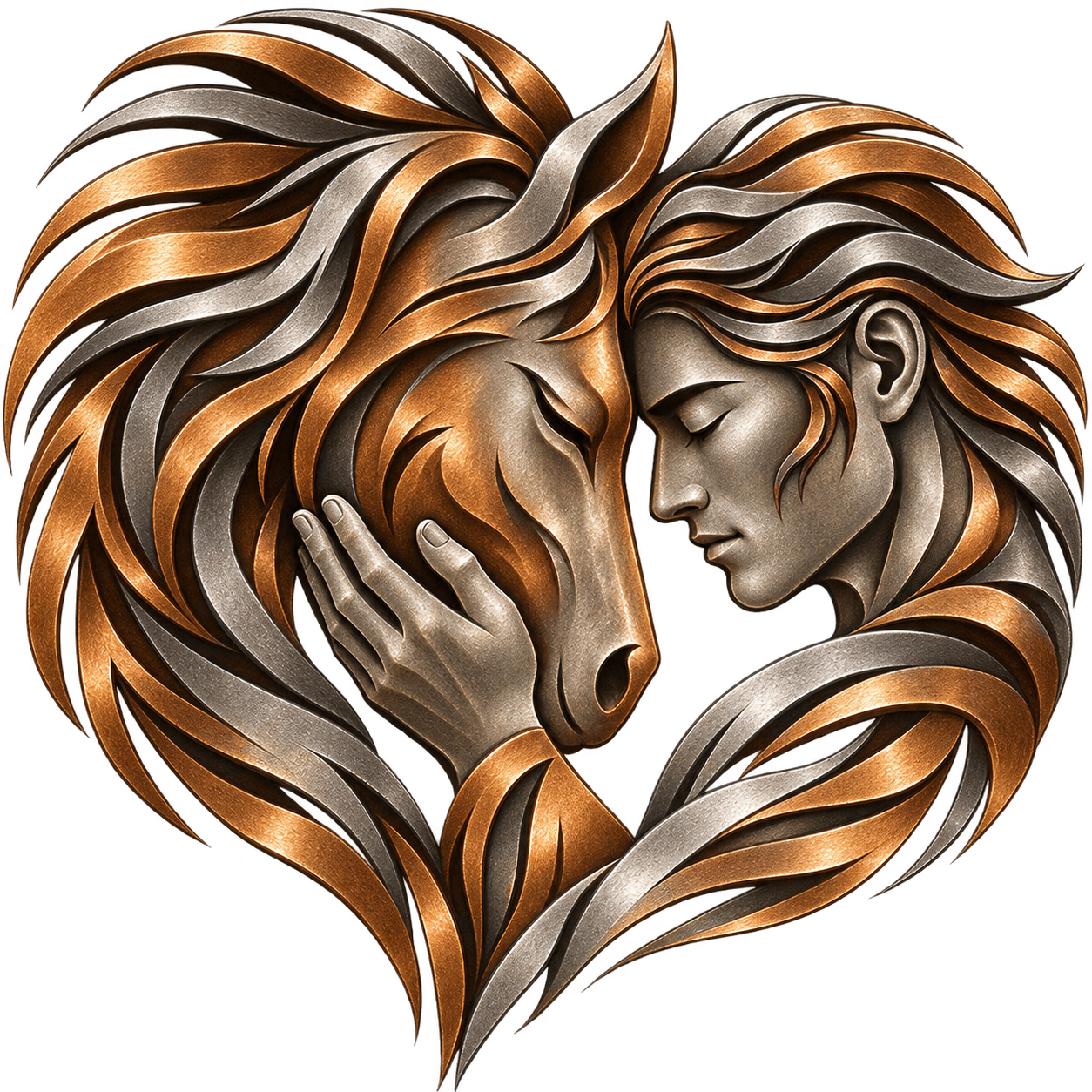
The bond between humans and horses is a classic example of mutualism, a type of symbiosis where both species gain significant benefits from living and working together. Over thousands of years of domestication, this partnership shaped human civilization and allowed horses to thrive across the globe. Defined as a wellness partnership, the symbiotic relationship between humans and horses is a reciprocal exchange of physical, emotional, and mental regulation where both species thrive together.
The Interconnected Components
1. Symbiotic Horsemanship
Experiential learning through the relationship with the horse.
Symbiotic Horsemanship is a principled based, practical, hands-on program. Participants develop horsemanship skills while learning to recognize and respect each horse’s individual needs, history, temperament, and boundaries.
Establish trust through patience, consistency, and respectful handling.
Recognize equine body language and signs of stress, fear, relaxation, and curiosity.
Communicate clearly and consistently without intimidation or force.
Understand how personal behavior, energy, and actions affect another living being.
Accept responsibility for the horse’s safety and well-being.
Work cooperatively toward appropriate, horse-centered goals.
The horse provides immediate, nonjudgmental feedback. Participants can observe how their choices and behavior influence the interaction and learn to adjust their approach accordingly.
2. Symbiotic Wellness
Personal development through self-awareness and interpersonal practice.
Symbiotic Wellness is a mental, emotional, and interpersonal development program. It is integrated with the hands-on horsemanship experience so participants can practice skills in meaningful, observable situations.
Self and team responsibility — Understanding individual obligations, contributing to a team, and recognizing how personal choices affect others.
Mindfulness-based patience — Learning to pause, observe, remain present, and respond thoughtfully rather than react impulsively.
Emotional awareness and regulation — Recognizing emotions, identifying triggers, managing frustration, and developing constructive responses to challenging situations.
Supportive, congruent communication — Aligning words, actions, and intentions while communicating honestly, respectfully, and consistently.
Self-accountability — Accepting responsibility for personal choices, acknowledging mistakes, and making meaningful efforts to correct behavior.
Healthy relationship development — Practicing honesty, kindness, integrity, mutual respect, and the ability to establish and maintain healthy relationships.
3. Symbiotic Wholeness
The integrated outcome of horsemanship and wellness.
Symbiotic Wholeness represents the desired developmental outcome when the practical lessons learned through Symbiotic Horsemanship are integrated with the personal development principles of Symbiotic Wellness. It describes a more balanced and principled individual who understands the relationship between thoughts, emotions, and actions, creating healthier, safer, and responsible choices.
Wholeness does not mean perfection. It means developing the awareness, skills, and willingness to continue growing. Symbiotic Wholeness means understanding how our whole way of being, physical, emotional, intellectual and spiritual (energetic), affects the people and environment we live in and offers principles and practices to change our responses to create a safer more integrated wellness.